
-

One powerful tool that has been transforming the lives of Nigerian women is microfinance. Be it in its formal or informal structures, these institutions have been a transformative force, significantly impacting the lives of Nigerian women. They have played a pivotal role in granting women access to a wide array of financial services. This, in turn, empowers Nigerian women to embark on entrepreneurial journeys, enhance the…
-

Women have made substantial contributions to the STEM (Science, Technology, Engineering, and Mathematics) fields, but a gender disparity still persists. Ongoing efforts aim to promote more women pursuing STEM careers and to establish inclusive environments conducive to their success. Diversity within STEM is fundamental for fostering innovation and advancing society. Throughout their educational journeys, girls and women are often directed away from science and mathematics, resulting…
-
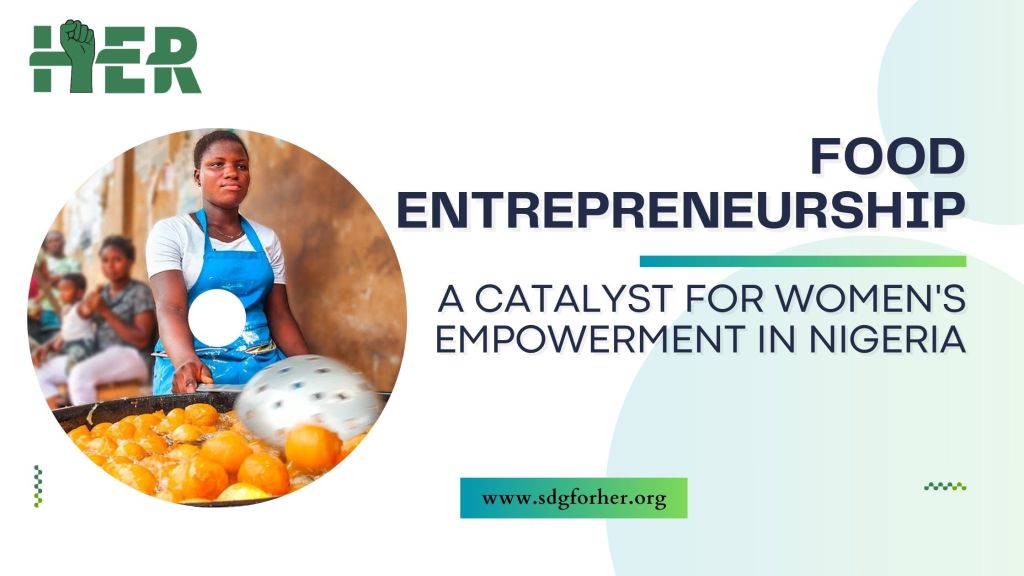
Women in Nigeria have long been the unsung heroes of the nation, quietly but profoundly shaping the country’s economy through the remarkable avenue of food entrepreneurship. These extraordinary women have been the backbone of their families, communities, and the nation as a whole. From the street-side food vendors to the women who hawk delectable dishes, and even those who own bustling ‘buka’ restaurants and successful fast-food…
-
Financial inclusion is the availability and utilisation of a wide range of financial services, such as savings, payment platforms, credit options, and insurance, which are offered by established financial institutions. Basic financial inclusion can be as straightforward as possessing a basic savings account at a bank or engaging in uncomplicated transactions via a mobile money service account. This accessibility to financial services plays a pivotal role…
-
Gender equality is not merely a noble aspiration; it is an inherent human right. Embracing and realising this right presents our best opportunity to confront and overcome some of the most urgent challenges in our country Nigeria. These challenges span from economic crises and inadequate healthcare to the looming spectre of climate change, the scourge of violence against women, and the relentless tide of escalating conflicts.…
-

Climate change is a global crisis that affects everyone, but its impact is not felt equally across all demographics. In Nigeria, like in many other parts of the world, women and girls are disproportionately affected by the adverse effects of climate change. For the 2030 Sustainable Development Goals targets to be met in Nigeria, there is an urgent need for gender-responsive climate action. Food Security &…
-
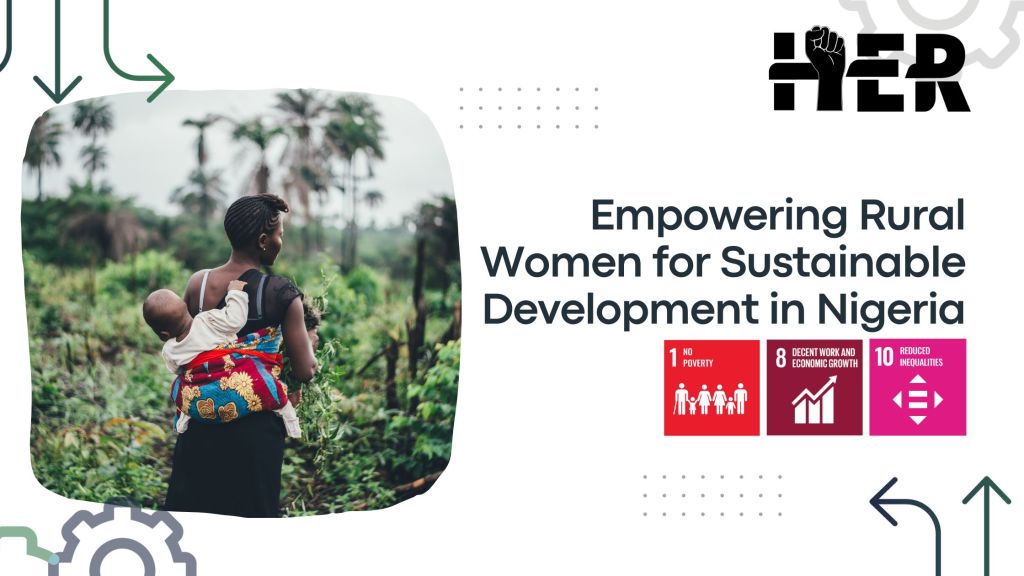
Rural women around the world play an indispensable role in sustainable development. In Nigeria, these women are the backbone of rural economies, working tirelessly to ensure food security, manage natural resources, and sustain communities. Empowering rural women through improved access to resources and opportunities is not only a matter of gender equality but also a crucial step toward achieving the Sustainable Development Goals (SDGs). Agriculture and…
-
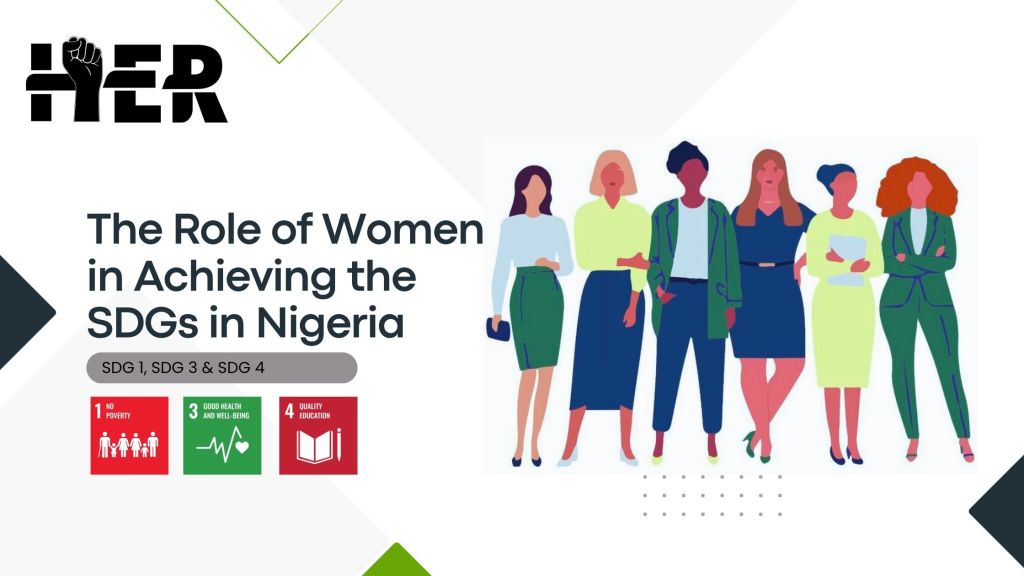
Nigeria, the most populous country in Africa, is striving to achieve the United Nations Sustainable Development Goals (SDGs) by 2030. The success of this ambitious agenda heavily depends on the active involvement and empowerment of its women. Women in Nigeria play multifaceted roles that are integral to achieving these global goals, and their contributions are making a significant impact on the country’s sustainable development journey. Eradicating…
Organisation Profile
Sustainable Development Goals “SDG” for Her Initiative is a non-profit organisation (RC 7221523). 0ur purpose is centred around building a community of individuals, organisations and advocates that are committed to empowering, enriching and advocating for women and girls across Nigeria while aligning our efforts with the United Nations’ Sustainable Development Goals.
Newsletter
Subscribe to our email newsletter for updates on the SDG Journal, projects, initiatives and upcoming events.
 Sustainable Development Goals for Her Initiative