
With the United Nations 28th Conference of Parties (COP) just a few weeks away, there has never been a better time to have discussions on the impact of climate change on a marginalised segment of the population: Women and girls in developing third-world countries. As the world battles the consequences of environmental degradation, it is imperative to recognise the distinct ways in which climate change affects different segments of the global population the need for gender-responsive climate policies and the importance of bridging the gap in international agreements to ensure a sustainable and equitable future for all.
The impact of climate change is acutely felt in certain rural communities in Nigeria, where women and girls bear a disproportionate burden, largely attributable to prevailing social and economic disparities. Whether it’s the increased burden of fetching water in the face of prolonged droughts or the heightened vulnerability to gender-based violence in climate-induced disaster areas, the impacts are multifaceted and interconnected.
The Current State of International Climate Agreements:
International agreements, such as the Paris Agreement, play a central role in shaping global responses to climate change. While these agreements emphasise the need for gender considerations, there remains a significant gap in translating these aspirations into concrete policies and actions. The voices of women, particularly those from marginalised communities, are often not represented in decision-making processes. This exclusion, unfortunately, yields policies that are not practical, implementable, and inclusivie for a substantial segment of the global population. When the perspectives of women, particularly those living in marginalised communities, are overlooked or excluded from decision-making processes, it creates a significant gap in understanding the nuanced challenges and needs of this demographic. Hence, the Urgent Call for Gender-Responsive Climate Policies that is considerate of the diverse needs and perspectives within the global population.
The Need for Gender-Responsive Climate Policies in Nigeria:
Disproportionate Impact of Climate Change on Nigeria Women: Climate change affects women and men differently, and in many cases, women bear a disproportionate burden. In Nigeria, where traditional gender roles often designate women as primary caregivers and resource managers, they are more vulnerable to the impacts of climate change, including changes in water availability, agricultural productivity, and health risks.
Agricultural Dependence: Agriculture is a significant component of Nigeria’s economy, and women play a crucial role in this sector, especially in rural areas. Gender-responsive climate policies are essential to address the specific challenges faced by women in agriculture, such as access to land, credit, and modern farming technologies, which are essential for building resilience to climate change.
Water Scarcity: Changes in climate patterns, including unpredictable rainfall, can exacerbate water scarcity, affecting women who are often responsible for water collection. Gender-responsive policies can address these challenges by ensuring women’s access to clean and safe water and implementing water management strategies that consider gender-specific needs.
Health Risks: Climate change contributes to the spread of diseases and poses health risks. Women, particularly pregnant women and mothers, may face increased health challenges in the form of waterborne diseases, heat-related illnesses, and the impact of extreme weather events. Gender-responsive policies can prioritise women’s health in climate adaptation and healthcare planning
Educational Disparities: Climate-related challenges, such as extreme weather events, can disrupt educational opportunities. Girls may be disproportionately affected, facing barriers to attending school during climate-related emergencies. Gender-responsive policies can ensure that educational systems are resilient to climate impacts and that girls have equal access to education.
Inequality in Decision-Making: Women’s underrepresentation in decision-making processes related to climate change hinders the development of effective and inclusive policies. Gender-responsive climate policies can work towards equal representation, ensuring that women’s perspectives, knowledge, and experiences are integral to decision-making.
Economic Empowerment: Gender-responsive climate policies can contribute to the economic empowerment of women by promoting their participation in sustainable livelihoods, entrepreneurship, and sectors resilient to climate change.
In summary, gender-responsive climate policies are essential in Nigeria to ensure that climate adaptation and mitigation strategies are effective, equitable, and inclusive of the unique needs and vulnerabilities of women and girls across various sectors of society.
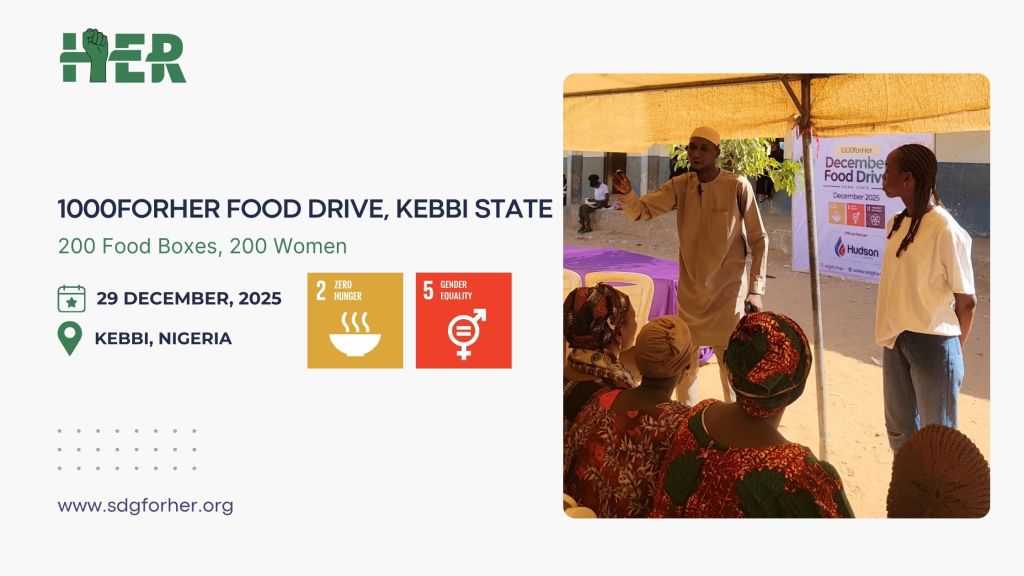
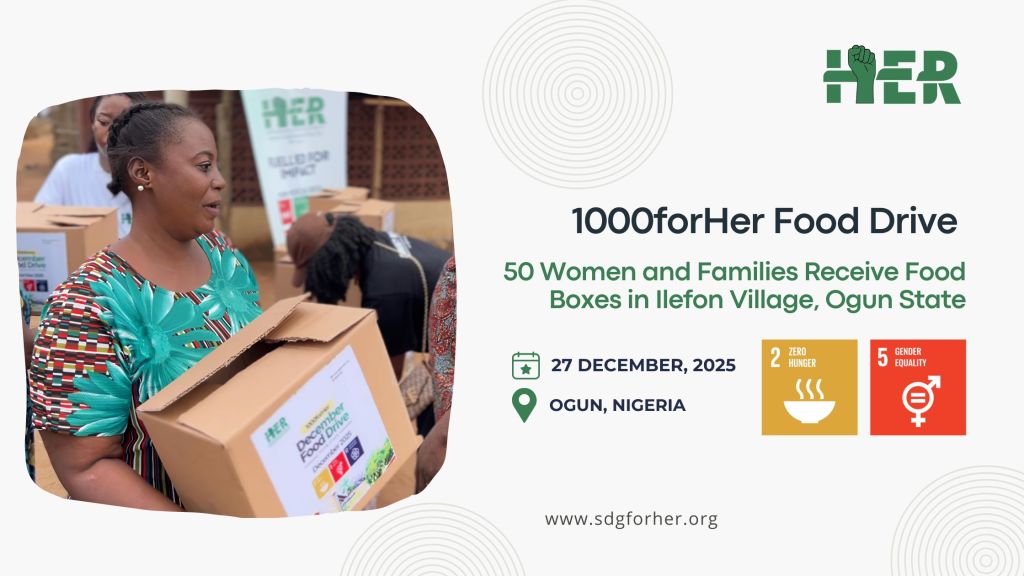

 Sustainable Development Goals for Her Initiative